



EA Consulting Pvt. Ltd. One of Pakistan’s leading multidisciplinary consulting companies. Head-quartered in Karachi, Pakistan, with a strong regional and overseas presence, EA offers comprehensive services in engineering, architecture and project management to both the public and private sectors across Pakistan, the Middle East and beyond.
Designing with purpose, Archi-tex designs built spaces that are responsive to the needs of people, time and environment.
Lighting design and sustainability specialist with over two decades of experience leading architectural, municipal, and institutional lighting projects. Expert in turnkey LED conversions, façade and interior lighting design, and energy-efficient solutions aligned with LEED and IESNA standards. Adept at managing multi-disciplinary teams and delivering impactful, cost-effective lighting programs for communities and organizations across Canada and the U.S.,
Lighting design and sustainability specialist with over two decades of experience leading architectural, municipal, and institutional lighting projects. Expert in turnkey LED conversions, façade and interior lighting design, and energy-efficient solutions aligned with LEED and IESNA standards. Adept at managing multi-disciplinary teams and delivering impactful, cost-effective lighting programs for communities and organizations across Canada and the U.S.,

Quantum Core Engineering (QCG) is a multidisciplinary Architectural, Engineering, and Specialist Consulting Firm headquartered in Quetta, Balochistan.
© 2025 Quantumcore Engineering Pvt. Ltd. All Rights Reserved.Engineering | Architecture | Infrastructure | Project Management. Designed by Master In Design
Creating Spaces that Nurture People and Planet
Truly sustainable design goes beyond energy savings — it’s about enhancing the health, comfort, and performance of people who live and work in our spaces. The WELL Building Standard®, developed by the International WELL Building Institute, provides a science-based framework for measuring how buildings impact occupant well-being through air, water, light, comfort, nourishment, and mind.
WELL Buildings integrate design, operations, and policy strategies that promote wellness, productivity, and social sustainability. They align environmental responsibility with human-centered values — ensuring that buildings not only perform efficiently but also support physical and mental well-being.
In the Middle East, WELL certification has become a key part of national sustainability agendas such as UAE Net Zero 2050 and Saudi Vision 2030, driving the creation of world-class healthy workplaces, schools, and healthcare environments that attract and retain top talent.
In Pakistan, where rapid urbanization and environmental challenges demand better indoor air quality and comfort standards, adopting WELL principles can greatly enhance workplace productivity, learning outcomes, and community health. Integrating WELL with existing green building practices helps organizations demonstrate leadership, align with ESG goals, and invest in people — the most valuable asset of any business.
WELL is more than a certification; it’s a commitment to human-centered sustainability — creating spaces that inspire, heal, and thrive.
The Rise of WELL Buildings and Their Regional Importance – Details
In recent years, the global focus on sustainability and human-centered design has evolved beyond energy efficiency to embrace the health and well-being of building occupants. The WELL Building Standard, developed by the International WELL Building Institute (IWBI), is a performance-based system that measures, certifies, and monitors features of the built environment that impact human health and wellness—covering air, water, light, nourishment, fitness, comfort, and mind. It complements green building frameworks such as LEED and BREEAM by shifting the spotlight from the building’s environmental footprint to the human experience within.
In the Middle East, WELL principles are gaining momentum as part of a broader regional transformation toward sustainable urbanism. With rapid urban growth, extreme climates, and a strong emphasis on world-class infrastructure, countries like the UAE, Saudi Arabia, and Qatar are integrating WELL-certified design in offices, hospitals, and educational spaces to enhance productivity, reduce absenteeism, and attract global talent. The alignment of WELL with regional visions—such as Saudi Vision 2030 and the UAE’s Net Zero 2050 Strategy—underscores its strategic relevance in promoting both sustainability and wellness-driven innovation.
In Pakistan, the adoption of WELL concepts is still emerging but holds immense potential. With rising awareness about indoor air quality, mental health, and workplace productivity, WELL certification offers a practical framework to elevate building standards in corporate, educational, and healthcare sectors. Integrating WELL principles in Pakistan’s construction industry could help address local challenges such as poor ventilation, daylight access, and urban heat, while positioning developers and organizations as leaders in health-conscious, sustainable design.
Ultimately, WELL Buildings represent a holistic vision for the future—where architectural excellence, sustainability, and human health converge. For the Middle East and Pakistan, embracing this standard is not just a design choice but a strategic investment in people, productivity, and long-term environmental resilience.
Key Drivers & Benefits of WELL Certification
Links for Further Information
Here are some strong resources for you to include or bookmark:
Designing Connected, Resilient Communities
Neighbourhood Development focuses on creating vibrant, sustainable, and people-centered communities that balance urban growth with environmental stewardship. By integrating walkability, green spaces, smart infrastructure, and inclusive design, it promotes health, safety, and social cohesion.
In the Middle East, such planning supports national visions like UAE 2040 and Saudi Vision 2030, fostering livable, low-carbon urban environments. In Pakistan, sustainable neighbourhood design addresses challenges of rapid urbanization, climate resilience, and community well-being.
Through frameworks such as LEED for Neighborhood Development and the WELL Community Standard, cities can build stronger, greener, and more connected communities for the future.
Neighbourhood Development: Building Connected, Sustainable Communities
At Illume Consulting, we approach neighbourhood development as more than urban design — it’s the art of creating vibrant, resilient, and inclusive communities that balance people, nature, and technology. Thoughtfully planned neighbourhoods foster belonging, support local economies, and enhance quality of life while reducing environmental impact.
Our approach integrates walkability, access to green space, energy efficiency, and community well-being into every stage of planning and design. Drawing on frameworks such as the LEED for Cities and Communities and WELL Community Standard, we emphasize human health, social equity, and long-term environmental resilience.
In the Middle East, where rapid urban expansion is transforming cityscapes, sustainable neighbourhood development plays a vital role in achieving national goals such as Saudi Vision 2030, Dubai 2040 Urban Master Plan, and Qatar National Vision 2030. Mixed-use, pedestrian-friendly communities that reduce reliance on vehicles are key to lowering emissions and improving livability in hot-climate cities.
In Pakistan, sustainable neighbourhood development offers a powerful way to address urban density, infrastructure gaps, and climate challenges. By integrating green infrastructure, efficient lighting, renewable energy, and social spaces, cities can improve resilience and public health while revitalizing local identity.
Key Drivers and Benefits of Neighbourhood Development
Neighbourhood Development (ND) frameworks, such as LEED for Neighborhood Development (LEED-ND) and the WELL Community Standard, place people at the heart of planning. They promote walkability, safety, inclusivity, and access to nature, ensuring residents can live, work, and play within sustainable, human-scaled environments.
Well-designed neighbourhoods enhance physical activity, social interaction, and emotional well-being — leading to healthier and happier communities.
Sustainable ND emphasizes low-carbon mobility, green infrastructure, and resource-efficient systems. Strategies such as shaded pedestrian corridors, permeable pavements, and renewable energy integration reduce urban heat, manage stormwater, and enhance biodiversity.
This approach supports climate adaptation, especially critical for hot, arid regions in the Middle East and flood-prone urban areas in Pakistan.
Neighbourhoods designed with sustainability in mind tend to see higher property values, reduced operating costs, and greater investor confidence.
For communities, ND creates long-term economic opportunities by improving accessibility, encouraging local enterprise, and reducing commuting times.
Socially, these developments cultivate a sense of belonging, cultural identity, and collective pride — foundational for stable, resilient societies.
Both the Middle East and Pakistan have urban policies that align closely with ND principles.
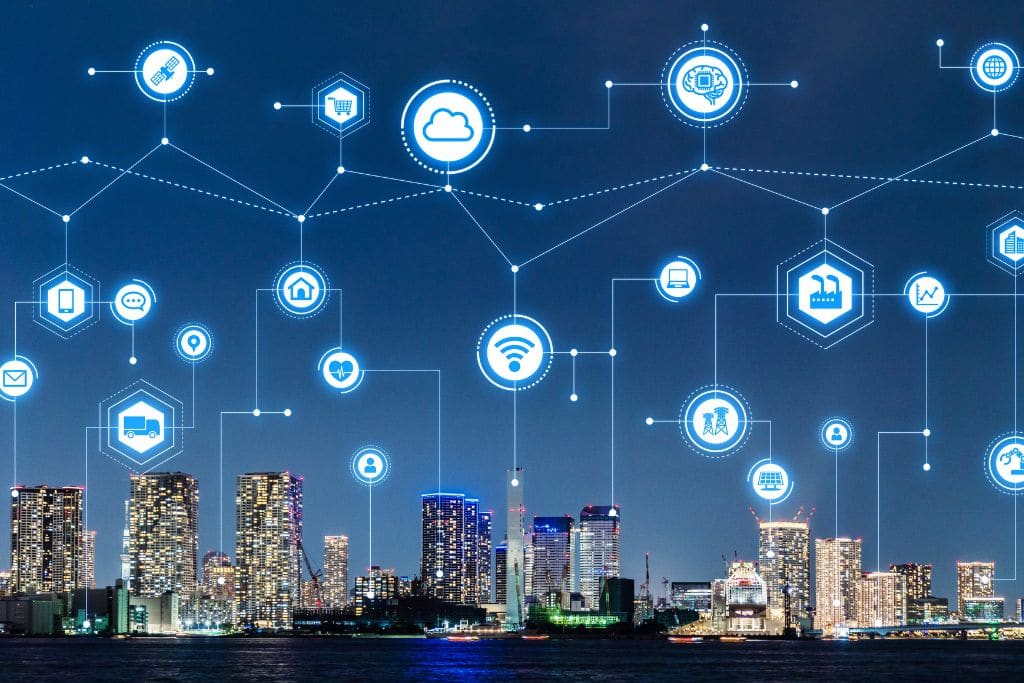
Modern ND leverages smart lighting, IoT monitoring, and data-driven urban planning to optimize resources and enhance livability. For a consultancy like Illume, this means integrating intelligent lighting, renewable microgrids, and sensor-based systems that strengthen safety and sustainability across neighbourhoods.
Neighbourhood Development directly supports multiple UN Sustainable Development Goals (SDGs), including:
By adopting ND frameworks, municipalities and developers contribute to global climate action while improving everyday life locally.
Links for Further Information
Driving Smarter, Sustainable Transformation
As consultants, we help organizations harness the power of Artificial Intelligence (AI) to transform how they design, build, and operate. From predictive analytics in construction and smart lighting systems to energy management and process automation, AI is reshaping industries with data-driven intelligence and human-centered innovation.
Our approach bridges technology and purpose — integrating automation, IoT, and sustainable design to enhance performance, reduce costs, and support ESG goals. Whether optimizing workflows, improving asset management, or enabling intelligent monitoring for energy and safety, we transform data into actionable insights that drive efficiency and resilience.
Why AI Matters in Construction
The construction industry is entering a new era of digital transformation, and AI is at its core.
AI enhances every phase of a project:
In the Middle East and Pakistan, where large-scale infrastructure projects are transforming cities, AI ensures greater precision, accountability, and long-term sustainability.
Integrating AI in Client Offices: Making Workplaces Future-Ready
We help organizations future-proof their workplaces through AI-enabled smart office solutions that improve efficiency, comfort, and decision-making.
Key Integration Areas:
These solutions prepare organizations for the next generation of sustainable, data-informed operations, aligning with smart city goals and global decarbonization efforts.
, our AI integration services connect the dots between technology, human experience, and environmental responsibility — making workplaces more adaptive, efficient, and ready for the future.